Spider veins on the legs can form small red, blue, or purple networks that remain visible through the skin. At Nu Vela Laser Medical Spa, Dr. Raffi Dishakjian provides spider vein removal in Los Angeles using sclerotherapy and selected laser treatments. He evaluates the pattern of veins before recommending an approach for the thighs, calves, ankles, or other body areas.
Spider veins are small blood vessels located close to the skin’s surface. They may appear as fine lines, branching webs, or clustered patches. Genetics, hormonal changes, pregnancy, age, sun exposure, and long periods of standing or sitting can contribute to their development.
Spider vein removal closes targeted vessels so the body can gradually absorb them. Blood naturally redirects through other functioning veins. Treatment can reduce existing veins, but it cannot prevent new ones from forming later.
Location affects treatment selection, so facial vein treatment often relies on different laser or light-based methods. Prominent hand and arm veins also require separate planning because some veins may need to remain available for medical access.
Spider veins are different from bulging varicose veins. Larger veins, persistent leg swelling, skin changes, aching, or a history of blood clots may point to an underlying venous condition that should be evaluated before cosmetic spider vein treatment.
Many adults with visible surface veins can consider spider vein removal. An evaluation helps determine whether the concern is limited to small cosmetic veins or connected to a larger vein problem.
You may be a candidate if you:
Dr. Dishakjian also asks about leg discomfort, swelling, previous vein procedures, medications, and any history of clotting problems. These details help him decide whether cosmetic treatment can proceed or further vein evaluation is appropriate.
Dr. Dishakjian examines the color, diameter, depth, and distribution of the veins. He also looks for nearby blue or green reticular veins that may contribute to a visible spider vein network. The treatment plan may use sclerotherapy, a vascular laser, or a combination of methods.
Sclerotherapy is commonly used for spider veins and small reticular veins on the legs. Dr. Dishakjian injects a medical solution into the targeted vessel through a fine needle. The solution causes the vein walls to close, and the vessel gradually fades as the body absorbs it.
Several injections may be performed during one appointment. The number depends on how many areas require treatment and the extent of each vein network. General anesthesia and surgical incisions are not required.
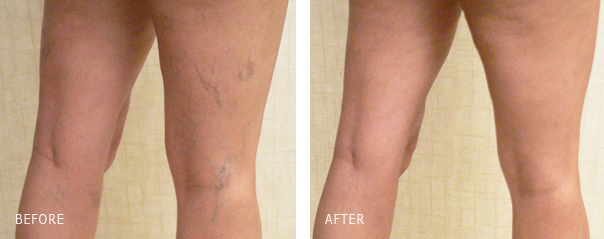
SCLEROTHERAPY TREATMENT OF SPIDER VEINS
Laser spider vein removal directs light energy through the skin toward a visible vessel. Heat causes the vessel to close without an injection. This approach may be considered for very small vessels, veins that are difficult to inject, or selected patients for whom laser treatment is a better fit.
Cooling may be used to protect the skin and improve comfort. Because leg veins vary in depth, a laser is not automatically the best choice for every patient. Dr. Dishakjian selects this method when the vessel characteristics make it appropriate.
Spider vein treatment is intended for small surface vessels. Bulging varicose veins or symptoms such as ongoing heaviness, swelling, or skin changes may require a more complete vein evaluation. Procedures used for larger veins, including foam sclerotherapy, microphlebectomy, or endovenous ablation, address different problems and are recommended only when indicated.
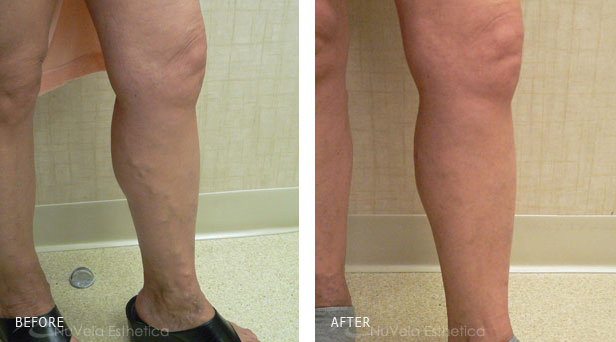
FOAM SCLEROTHERAPY FOR BULGING LEG VEINS
Most patients can walk and return to light daily activities after spider vein removal. Temporary redness, bruising, mild swelling, or darkening along a treated vessel can occur. The veins may look more noticeable at first before they begin to fade.
Dr. Dishakjian may recommend compression stockings after leg sclerotherapy. He will also explain when to resume strenuous exercise, prolonged sun exposure, hot baths, and other activities that could affect early healing.
Improvement develops gradually over the following weeks. Extensive networks or veins with nearby feeder vessels may require more than one session. Follow-up allows Dr. Dishakjian to evaluate the response and decide whether any remaining areas should be treated.
Our sclerotherapy and laser vein treatment gallery includes examples of patients treated at Nu Vela. Results vary according to the type and extent of the veins.
Spider vein removal is performed on an outpatient basis and can target specific areas without surgery. Depending on the treatment selected, potential benefits include:
Book a consultation today to see how a spider vein treatment can help you.
Spider vein removal cost depends on the number and extent of the veins, the areas treated, the method selected, and the number of sessions expected. A small isolated cluster will not require the same treatment plan as spider veins covering both legs.
Nu Vela provides an individualized quote after Dr. Dishakjian examines the veins. The practice also offers financing options for elective treatments.
Dr. Raffi Dishakjian personally evaluates and treats patients at Nu Vela Laser Medical Spa. Patients remain under the care of the physician who examines their veins, recommends an approach, and performs the procedure.
Dr. Dishakjian is a phlebologist and a physician board-certified in anesthesiology. His background in vein care, surgery, and anesthesiology informs how he reviews medical history, evaluates vascular concerns, and plans treatment. He founded Nu Vela Laser Medical Spa in 2005 and has continued to provide physician-led laser and vein procedures from its Porter Ranch location.
Access to injectable and laser-based options allows Dr. Dishakjian to select treatment according to the veins rather than relying on one method for every patient. Nu Vela serves patients seeking spider vein removal from Los Angeles, the San Fernando Valley, and surrounding communities.
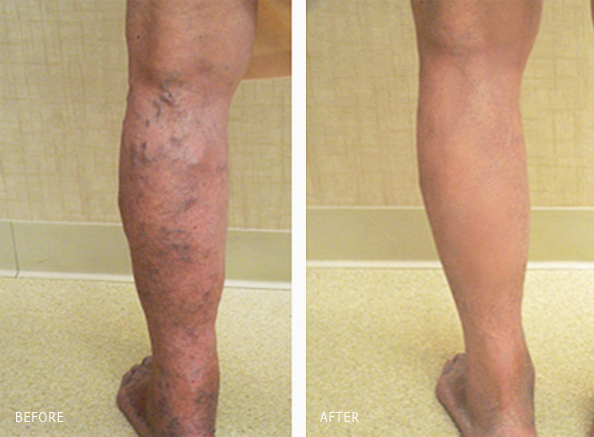
FIVE WEEKS AFTER EVLT TREATMENT OF ADVANCED CHRONIC VENOUS HYPERTENSION
Sclerotherapy is commonly used for leg spider veins because it can treat multiple connected vessels during one appointment. Laser treatment may be appropriate for very small veins or vessels that are difficult to inject, but the best method depends on an in-person examination.
The number of sessions depends on how many veins are present, their size, and how they respond. Some isolated clusters may improve after one treatment, while extensive networks can require staged appointments.
A successfully closed vein does not usually reopen, but treatment cannot prevent new spider veins from developing. Genetics, hormonal changes, age, and prolonged standing or sitting may contribute to new vessels over time.
Sclerotherapy involves brief needle pricks and may cause temporary stinging or cramping in the treated vessel. Laser pulses can feel warm or snapping, and cooling may be used to make treatment more comfortable.
Temporary bruising, redness, swelling, or darkening of treated vessels can occur. Dr. Dishakjian reviews your medical history, explains the potential risks, and selects the treatment method based on the veins and surrounding skin.
Find out whether sclerotherapy or laser treatment is appropriate for your spider veins. Request a leg vein evaluation with Dr. Dishakjian at Nu Vela Laser Medical Spa in Porter Ranch to receive a treatment recommendation and individualized cost estimate.